The first time I tasted Pav Bhaji, I was transported to a bustling street market in Mumbai, where the aromas of spices mingled in the air like an irresistible invitation. It’s funny how food can take you places, isn’t it? Pav Bhaji translates to "Bread and Vegetable Curry" in English, but to me, it means a tapestry of flavors crafted with love, laughter, and a hint of adventurous spirit.
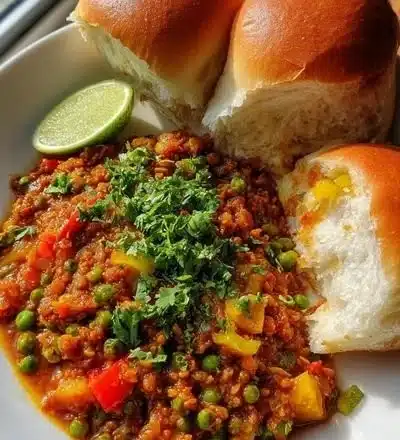
I remember sitting on a tiny plastic stool, the sun casting a warm glow around me, as I watched a street vendor skillfully mash the colorful mélange of vegetables on a hot, griddle-like tawa (a flat cooking surface). The sizzle was music to my ears, accompanied by the gentle chatter of locals enjoying their meals. Each bite of the buttery pav, soft and pillowy, perfectly complemented the spicy, earthy bhaji. It was comfort food at its finest, a dish filled with warmth and community. I could hardly wait for my turn to dig into a plate, eagerly watching as the vendor piled my dish high, garnishing it with fresh cilantro and a wedge of lemon for that citrusy zing.
As I took that first heavenly bite, the vibrant spices danced on my palate, bringing memories of my grandmother’s kitchen, where she would sprinkle joy into every meal. Pav Bhaji became more than just a dish; it turned into a cherished recipe that I longed to recreate back home, promising to share this taste of India with friends and family. In my kitchen, it symbolizes the beautiful blend of cultures, a conversation starter, and an exploration of flavors that never fails to bring people together. Isn’t that what cooking is all about? Creating moments, one delicious bite at a time.
Flavor and Popularity
The Unique Flavor Profile of Pav Bhaji translates to "Bread and Vegetable Curry" in English
The essence of Pav Bhaji lies in its dynamic flavor profile. Imagine a dish that begins with sautéed onions, garlic, and a medley of vegetables—potatoes, peas, capsicum, and tomatoes—cooked together to create a comforting, savory hug. The secret is in the spice blend. A typical masala includes red chili powder, turmeric, and garam masala, each bringing a layer of depth that tantalizes the taste buds.
The freshness of herbs like cilantro and the zest of lime create a beautiful contrast against the rich, buttery bhaji. The pav, those soft, pillowy bread rolls, adds a delightful balance, soaking up the hearty curry with every bite. There’s such a warm and inviting undertone to this dish, a reminder of home-cooked meals that bring joy to special gatherings.
Why This Recipe Is a Family Favorite and Crowd-Pleaser
Pav Bhaji is more than just a meal; it’s a memory-maker. Whether I’m serving it at a family gathering or a casual supper with friends, this dish never fails to gather people around the table. It’s a universal crowd-pleaser that satisfies diverse palates—vegetarians, spice lovers, or those simply looking for comfort food.
I often find my loved ones reaching for seconds, relishing the way the pav melts in their mouths while the bhaji offers a burst of flavor and warmth. It’s the kind of dish that transforms even a simple weeknight dinner into a festive occasion. Trust me, it’s hard not to smile when you see everyone digging in, enjoying what feels like a hug on a plate.
Ingredients and Preparation
Essential Ingredients and Possible Substitutions
To bring this iconic dish to life, gathering the right ingredients is key. Here’s what you’ll need:
- Potatoes: Use about three medium-sized ones, as they serve as the base for the bhaji’s creamy texture.
- Mixed Vegetables: Peas, bell peppers, and tomatoes are traditional, but feel free to include carrots or cauliflower for added nutrition and variety.
- Spices: Red chili powder, turmeric, and garam masala elevate the flavors. Don’t skimp on these!
- Butter: A generous amount, as it’s essential for getting that rich, delectable taste.
- Fresh cilantro: This herb adds a fresh kick when sprinkled atop before serving.
- Pav: These soft dinner rolls are essential to soak up the bhaji. If needed, substitutes like any soft bread can work, but nothing quite replicates the taste of authentic pav!
If you’re looking for substitutions, consider using sweet potatoes for a twist on the traditional flavors or even a non-dairy butter to make it vegan. You can also swap in frozen or canned vegetables if you’re in a hurry—just remember to adjust cooking times accordingly.
Step-by-Step Recipe Instructions with Tips
Cooking Pav Bhaji is a simple yet fulfilling endeavor. Here’s how you can do it:
Prepare the Vegetables: Start by peeling and chopping the potatoes into small cubes. Dice the tomato, onion, and bell pepper. If you’re using frozen peas, keep them ready for later.
Sauté the Onions: In a large skillet or tawa, melt a good portion of butter over medium heat. Sauté the chopped onions until golden and fragrant.
Add Garlic and Spices: Toss in minced garlic followed by the spices—red chili powder, turmeric, and garam masala. Sauté for a minute until everything is fragrant.
Cook the Vegetables: Add the chopped potatoes and any other mixed veggies to the skillet. Stir everything together and let it cook for about 10 minutes, covering with a lid to allow them to steam.
Mash the Bhaji: When the vegetables are tender, use a potato masher to mash the mixture until it’s a thick, even consistency. You want it creamy and hearty, not too runny.
Adjust the Consistency: If the bhaji is too thick, add a bit of water or vegetable broth to reach your desired consistency. Taste and adjust salt or spices, if needed.
Add Butter and Toppings: Finish by mixing in a generous spoonful of butter and garnish with fresh cilantro.
Prepare the Pav: Heat a separate skillet, add more butter, and toast the pav on both sides until they’re golden brown.
Serve: Dish up the bhaji in bowls and place the toasted pav on the side. Don’t forget to squeeze lime juice over the bhaji and serve with more cilantro for sprinkling!
Cooking Techniques and Tips
How to Cook Pav Bhaji translates to "Bread and Vegetable Curry" in English. Perfectly
Cooking Pav Bhaji is all about allowing those flavors to meld beautifully. Ensure you don’t rush the sautéing process as this develops the base flavor.
Don’t shy away from using a good amount of butter—after all, it’s part of what makes this dish so delightfully indulgent. The way the butter accentuates the spices and richness is simply magical!
Common Mistakes to Avoid
When making Pav Bhaji, be aware of these common pitfalls:
- Skipping the Sauté: Don’t rush the initial sauté of the onions; they need time to get that golden color.
- Not Mashing Enough: Make sure you mash the ingredients well for that signature creamy texture; it’s key to a good bhaji!
- Overcooking the Pav: Be careful not to over-toast the pav—keep an eye on them. They should be warm and buttery but still soft inside.
Health Benefits and Serving Suggestions
Nutritional Value of Pav Bhaji translates to "Bread and Vegetable Curry" in English
Pav Bhaji can be quite nutritious! With a variety of vegetables, this dish is packed with essential vitamins, fiber, and minerals. The use of potatoes provides comfort and energy, while the assortment of veggies adds color and nutrients.
As a bonus, this dish is naturally vegetarian and can easily be made vegan with a simple swap of the butter. It’s a hearty meal that can keep you satisfied for hours, proving that comfort food can also be nourishing.
Best Ways to Serve and Pair This Dish
Serve Pav Bhaji hot, alongside a bowl of tangy onion salad and a wedge of lemon. I love pairing it with a spicy green chutney, which adds a refreshing kick that lifts the flavors even further.
This dish is versatile; it can fit perfectly into a casual weeknight dinner or be dressed up for a more festive occasion. It also makes for an excellent dish at potlucks—trust me, folks will come asking for your recipe!
FAQ Section
What type of mushrooms are best for Pav Bhaji translates to "Bread and Vegetable Curry" in English?
Although mushrooms aren’t traditional in Pav Bhaji, if you choose to include them, button or cremini mushrooms work best. They add an earthy flavor that can enhance the overall taste, bringing an interesting twist to the classic recipe.
Can I use dried garlic instead of fresh?
Sure thing! If you don’t have fresh garlic on hand, dried garlic powder can work in a pinch. However, use about a quarter of the amount since dried garlic is more concentrated in flavor. Fresh garlic truly brings out the aromatic notes you want in your bhaji.
How do I store leftover Pav Bhaji translates to "Bread and Vegetable Curry" in English?
Storing leftovers is easy! Allow the bhaji to cool completely, then transfer it to an airtight container. It can stay good in the fridge for about 3-4 days. Just reheat it gently, adding a splash of water to loosen it up if needed.
Can I freeze Pav Bhaji translates to "Bread and Vegetable Curry" in English?
Absolutely! You can freeze Pav Bhaji for up to three months. Just ensure it’s in a tightly sealed container or freezer bag. When you’re ready to enjoy it again, thaw overnight in the fridge and reheat on the stovetop or microwave.
As I reflect on the memories tied to Pav Bhaji, I can’t help but feel grateful for the warmth this dish brings—both in its delicious flavors and the joy it spreads. If you’re like me, cooking is not just about the end result; it’s about the journey, the stories told, and the connections made over a shared meal.
There’s something comforting about making a recipe with history, especially one that’s so vibrant and full of life. Trust me, you’ll want to make this again and again. So roll up your sleeves, embrace the wonderful fusion of flavors, and let this delightful dish bring a little piece of India to your family table.
Print
Pav Bhaji
- Total Time: 45 minutes
- Yield: 4 servings 1x
- Diet: Vegetarian
Description
Pav Bhaji is a flavorful and comforting Indian street food made with spiced mashed vegetables and buttered bread rolls, bringing warmth and joy to every gathering.
Ingredients
- 3 medium Potatoes, peeled and diced
- 1 cup Mixed Vegetables (peas, bell peppers, tomatoes)
- 1 large Onion, chopped
- 3 cloves Garlic, minced
- 1 tablespoon Red Chili Powder
- 1 teaspoon Turmeric Powder
- 1 tablespoon Garam Masala
- 4 tablespoons Butter
- Fresh cilantro, for garnish
- 4 Pav (dinner rolls)
- Lime wedges, for serving
Instructions
- Prepare the vegetables: Peel and chop the potatoes into small cubes and chop the onion, tomato, and bell pepper.
- Heat butter in a large skillet over medium heat. Sauté the onions until golden brown.
- Add minced garlic, followed by red chili powder, turmeric, and garam masala. Sauté until fragrant.
- Mix in the chopped potatoes and other vegetables. Cook for about 10 minutes with a lid on, allowing to steam.
- Mash the cooked vegetables with a potato masher until creamy and well combined.
- If too thick, add water or vegetable broth to adjust consistency. Season with salt as needed.
- Finish with additional butter and top with fresh cilantro.
- Toast the pav in a separate skillet with butter until golden brown on both sides.
- Serve bhaji in bowls with toasted pav on the side. Garnish with lime juice and extra cilantro.
Notes
For a vegan version, replace butter with non-dairy butter. Feel free to customize vegetables based on availability.
- Prep Time: 15 minutes
- Cook Time: 30 minutes
- Category: Main Course
- Method: Stovetop
- Cuisine: Indian
Nutrition
- Serving Size: 1 serving
- Calories: 400
- Sugar: 5g
- Sodium: 500mg
- Fat: 15g
- Saturated Fat: 5g
- Unsaturated Fat: 8g
- Trans Fat: 0g
- Carbohydrates: 58g
- Fiber: 6g
- Protein: 10g
- Cholesterol: 20mg
Keywords: Pav Bhaji, Indian street food, vegetarian curry, comfort food, Mumbai food