The first time I encountered a Burnt Basque Cheesecake, I was scrolling through social media, enchanted by the pictures of its rugged, caramelized top. It was as if a slice of heaven had accidentally charred its outer layer, yet the promise of creamy goodness beneath was undeniable. I remember the moment vividly: the late afternoon sun streamed through my kitchen window, casting a warm glow over my countertops. I felt that familiar itch of curiosity, the kind that stirs inside every home cook who finds joy in new adventures.
I decided to try my hand at this trendy dessert that seemed to be popping up everywhere—each recipe claiming to be the best one. Gathering my ingredients felt like a dance, with cream cheese, sugar, and eggs forming the rhythm of my kitchen symphony. As I mixed the batter, I was transported back to my grandmother’s kitchen, where she taught me that the most beautiful creations often come from happy accidents. The rich aroma wafting through my home felt like a warm hug. My heart raced with anticipation as I poured the golden mixture into the cake pan and slid it into the oven, where it puffed up like a soft cloud.
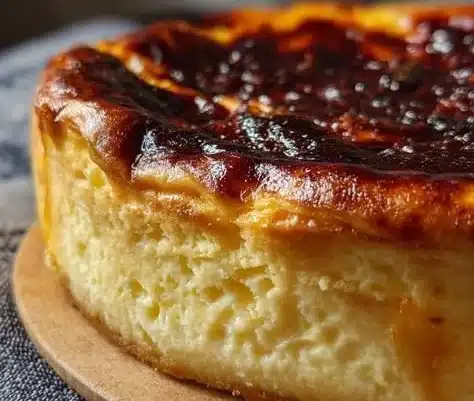
When the timer finally chimed, I opened the oven door, revealing a resplendent and beautifully burnt top. Each slice I served was met with awe—and trust me, the joy on my family’s faces as they savored that decadent creaminess reminded me why I cook: to bring happiness to my loved ones. This experience ignited a flame in me, celebrating not just the deliciousness of Burnt Basque Cheesecake but also the stories, memories, and love it brings to the table.
Flavor and Popularity
The Unique Flavor Profile of Burnt Basque Cheesecake
Burnt Basque Cheesecake is unlike any dessert I’ve ever prepared. Its texture dances between a luscious custard and a traditional cheesecake, creating a melt-in-your-mouth experience. The top, charred and caramelized, provides a smoky depth that mingles gracefully with the creamy, rich filling beneath. Each bite offers a whisper of umami, enhanced by a hint of sweetness, and it’s this harmonious contrast that makes it whimsical and charming—a kind of dessert that invites everyone to get a second slice.
Why This Recipe Is a Family Favorite and Crowd-Pleaser
This delicate cheesecake is not solely about flavor; it’s about how it brings people together. It invites lively conversations over afternoon coffee or acts as the centerpiece for family gatherings. My family treats it like a beloved heirloom recipe, one that serves not just as a sweet end to a meal, but as a source of connection and joy. Every time I slice into that dark crust, it’s as though we’re cutting into a piece of tradition, filling our hearts with warmth and contentment. Its popularity has soared not just because of its unique taste, but also for its ease of preparation—many of my friends have started making it, and their enthusiastic feedback only reaffirms my family’s love for this delightful treat.
Ingredients and Preparation
Essential Ingredients and Possible Substitutions
To whip up a stunning Burnt Basque Cheesecake, you’ll want to gather a few essential ingredients. Here’s what you’ll need to create this delectable dessert:
Cream cheese: This forms the luscious base of your cheesecake. Opt for full-fat to achieve that rich flavor.
Sugar: Granulated sugar enhances the sweetness and aids in creating that golden crust.
Eggs: Fresh, large eggs help bind everything together and provide a fluffy structure.
Heavy cream: This creamy element contributes to the cheesecake’s velvety texture and richness.
Vanilla extract: A splash of pure vanilla adds a lovely aromatic note to the cake.
All-purpose flour: Just a tad helps in stabilizing the cheesecake while keeping it light.
If you’re in a pinch, don’t fret! You can substitute the cream cheese with ricotta for a lighter option, or even cashew cream for a vegan twist. Coconut sugar or honey can seamlessly replace granulated sugar if you want a more natural sweetness. The key is to ensure that whatever you use balances the flavors and maintains that creamy consistency.
Step-by-Step Recipe Instructions with Tips
Preheat your oven to 400°F (200°C). Prepare a 9-inch springform pan by lining it with parchment paper, letting it hang over the edges just a bit—that’s where the magic happens!
In a large mixing bowl, combine the softened cream cheese and sugar. Using a hand mixer or whisk, blend until it’s smooth and creamy.
Beat in the eggs one at a time, ensuring they’re fully incorporated before adding the next. This creates a fluffy texture that’s essential for our cheesecake.
Next up, pour in the heavy cream and vanilla extract, mixing until your batter shines like a lovely creamy river.
Gently fold in the flour, just until the mixture comes together—overmixing can lead to a denser cake, and we want it light and airy.
Pour the batter into the prepared pan, and then place it in your preheated oven. Bake for approximately 40-50 minutes, or until the center is just barely set and the top is a beautiful deep brown.
Once done, turn off the oven but leave the cheesecake inside, allowing it to cool gradually. This prevents cracking, which can happen due to sudden temperature changes.
After it has cooled, let it chill in the refrigerator for at least two hours (overnight is even better if you can wait). When ready to serve, gently peel back the parchment paper and slice.
One of the best tips I’ve learned is to use room temperature ingredients. Allowing your cream cheese, eggs, and cream to sit out for a bit ensures a smoother batter with no lumps. And remember, the joy is in the process! Take your time and enjoy each step.
Cooking Techniques and Tips
How to Cook Burnt Basque Cheesecake Perfectly
For an impeccable Burnt Basque Cheesecake, it’s crucial to maintain the right oven temperature. Bake it hot and fast to achieve that signature burnt top while keeping the inside creamy. Using a dark-colored pan can also help in obtaining that gorgeous caramelization. Watch closely as it nears the end of the baking time. When the center still jiggles a bit, you’ve reached perfection.
Common Mistakes to Avoid
One common pitfall is overmixing the batter after adding the flour. This can lead to a dense cheesecake rather than that light, airy texture we all love. Another mistake is underestimating the cooling time. Allowing your cheesecake to cool slowly in the turned-off oven is key to preventing cracks and ensuring that perfect texture.
Health Benefits and Serving Suggestions
Nutritional Value of Burnt Basque Cheesecake
While Burnt Basque Cheesecake is a delicious indulgence, it also contains ingredients packed with nutrients. Cream cheese and heavy cream provide calcium and protein, while eggs add essential vitamins. Portion control is essential, allowing you to relish this treat while still maintaining a balanced diet.
Best Ways to Serve and Pair This Dish
Serve slices of this cheesecake straight from the fridge for a refreshing dessert. The caramelized top adds an impressive touch, so feel free to garnish with fresh berries or a sprinkle of powdered sugar to elevate it further. For beverages, a nice cup of espresso or a glass of dessert wine can enhance the rich flavors beautifully. There’s something comforting about serving it at the end of a family meal, transitioning the conversation from savory to sweet while creating lasting memories.
FAQ Section
What type of mushrooms are best for Burnt Basque Cheesecake?
While mushrooms are a delightful addition in many dishes, they don’t play a role in the traditional Burnt Basque Cheesecake. Its glory lies in the creamy texture and rich flavors of the cheese and cream, rather than savory ingredients.
Can I use dried garlic instead of fresh?
Absolutely, though garlic is not a typical ingredient in cheesecake recipes. For savory dishes, fresh garlic enhances flavor, while dried garlic can add a nice touch in other recipes.
How do I store leftover Burnt Basque Cheesecake?
To store leftovers, wrap the cheesecake tightly in plastic wrap or store it in an airtight container in the refrigerator. It’ll maintain its deliciousness for up to five days.
Can I freeze Burnt Basque Cheesecake?
Yes, you can freeze Burnt Basque Cheesecake! After it’s completely cooled, wrap it tightly in plastic wrap and foil before placing it in the freezer. It’s best consumed within one to two months.
As I close the chapter on this lovely tale of Burnt Basque Cheesecake, I can’t help but urge you to embark on this gastronomic journey. If you’re like me, you understand that cooking is more than just a task—it’s an expression of love, a medium to create connections and joy among friends and family. There’s something infinitely comforting about sharing a dessert that tells a story while tantalizing taste buds. Trust me, you’ll want to make this again and again, and soon, it will hold a special place in your family’s heart, just like it does in mine. So pull out your mixing bowl, and let’s bring some joy into your kitchen!
Print
Burnt Basque Cheesecake
- Total Time: 65 minutes
- Yield: 8 servings 1x
- Diet: Vegetarian
Description
A unique cheesecake with a caramelized top and creamy filling, perfect for family gatherings and celebrations.
Ingredients
- 16 oz cream cheese, softened
- 3/4 cup granulated sugar
- 3 large eggs
- 1 cup heavy cream
- 1 tsp vanilla extract
- 1/4 cup all-purpose flour
Instructions
- Preheat your oven to 400°F (200°C) and line a 9-inch springform pan with parchment paper.
- In a large mixing bowl, combine softened cream cheese and sugar; blend until smooth.
- Beat in the eggs one at a time, ensuring each is incorporated fully.
- Add heavy cream and vanilla extract, mixing until combined.
- Gently fold in flour until just combined.
- Pour the batter into the prepared pan and bake for 40-50 minutes, until the top is deep brown and the center is barely set.
- Turn off the oven and let the cheesecake cool inside to prevent cracking.
- Chill in the refrigerator for at least 2 hours before slicing and serving.
Notes
Use room temperature ingredients for a smoother batter. Allow the cheesecake to cool gradually in the oven.
- Prep Time: 15 minutes
- Cook Time: 50 minutes
- Category: Dessert
- Method: Baking
- Cuisine: Spanish
Nutrition
- Serving Size: 1 slice
- Calories: 450
- Sugar: 6g
- Sodium: 320mg
- Fat: 36g
- Saturated Fat: 22g
- Unsaturated Fat: 8g
- Trans Fat: 0g
- Carbohydrates: 30g
- Fiber: 0g
- Protein: 8g
- Cholesterol: 80mg
Keywords: cheesecake, burnt cheesecake, dessert, family recipe, Spanish dessert